
A Month by Month Guide for Each Type of Traveller
Morocco is one of those rare destinations where the answer to “When should I visit?” is never straightforward.
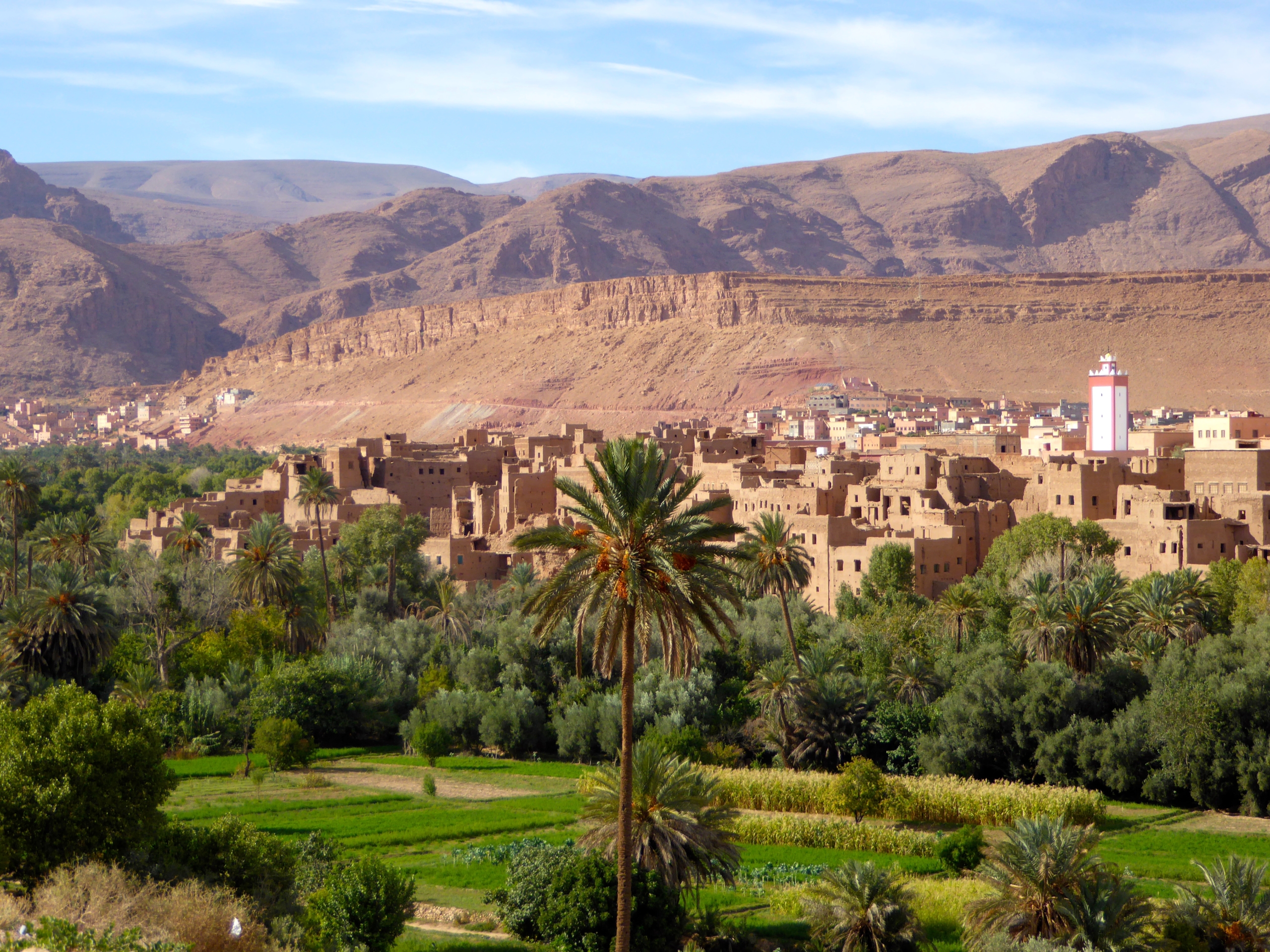
The country stretches from the windswept Atlantic coast to the vast Sahara Desert, from snow-covered mountain peaks to palm-filled oases hidden deep in the south. The weather in Marrakech can be completely different from the weather in Chefchaouen. While one region is wrapped in winter snow, another is enjoying warm sunshine and blue skies.
That is why there is no single best time to visit Morocco.
Instead, there is the best time for the experience you want.
Some travellers come for desert sunsets and star-filled nights. Others dream of wandering through ancient medinas, surfing Atlantic waves, hiking through Berber villages, or simply escaping a grey European winter. Morocco offers all of these — but each season reveals a different version of the country.
I’ve visited Morocco across different seasons and I’ll tell you this honestly: there is no bad time to go. There is only the right time for the trip you have in mind.
If you’re planning a trip, here’s exactly what to expect throughout the year.
Quick Answer: When Is the Best Time to Visit Morocco?
Best overall months: March to May and September to November
Best time for the Sahara Desert: February to April and October to November
Best time for beaches and surfing: June to September
Best time for hiking: March to June and September to October
Best time for budget travel: January, February, and November
Best time for first-time visitors: April, May, September, and October
Morocco in January: Quiet Cities and Snow-Capped Mountains
January surprises most first-time visitors.
Many arrive expecting endless desert heat, only to find crisp mornings, snow-covered Atlas peaks, and clear blue skies. While much of Europe is buried in grey winter, Morocco offers something genuinely different: a gentler, quieter season that rewards the travellers who show up for it.
In Marrakech, mornings begin with locals wrapped in jackets, sipping coffee at neighbourhood cafés while the city slowly wakes. By afternoon, terraces fill with travellers enjoying the winter sunshine. The Atlas Mountains are most dramatic during this time of the year with snow dusting the peaks, creating stunning contrasts against the earthy colours of Berber villages. A day trip from Marrakech towards Imlil or Ouirgane often feels like stepping into an entirely different country.
January is also one of the least crowded months. Riads are easier to book, flights are often cheaper, and famous sites like Bahia Palace or the tanneries of Fes feel noticeably calmer. If you’ve been thinking about going but keep putting it off, January is quietly one of the best-kept secrets in Morocco travel.
Best for: Budget travellers, photographers, winter sun seekers, mountain landscapes.
Morocco in February: Desert Season at Its Best
February marks the beginning of one of Morocco’s most enjoyable travel windows.
The Sahara comes into its own this month. Daytime temperatures are perfect for dune trekking, camel rides, and long evenings around campfires beneath some of the clearest skies you’ll ever see. In the south, around Tafraoute, almond trees begin to bloom with unexpected bursts of pink and white against rugged desert terrain that stop you mid-sentence.
Unlike the busier spring months ahead, February still feels unhurried. The iconic destinations are accessible without the pressure of peak season. For anyone dreaming of a classic desert adventure, this is one of the finest months to make it happen.
Best for: Desert trips, road trips, couples, photography.
Morocco in March: Spring Arrives
March transforms Morocco.
Winter rains leave behind green valleys, flowing rivers, and landscapes that most travellers never expect to find in North Africa. The countryside comes alive with colour, particularly in the Atlas Mountains and rural regions around Fes and Meknes. The air feels lighter. The country feels like it’s exhaling.
Cities become perfect for wandering. You can spend hours getting genuinely lost in the souks of Marrakech or navigating the labyrinthine streets of Fes without worrying about heat or crowds. The desert remains comfortable, the mountains are lush, and the coast is beginning to warm up.
For first-time visitors, March is one of the safest bets on the calendar.
Best for: First-time visitors, cultural exploration, hiking, multi-city itineraries.
Morocco in April: The Country at Its Absolute Best
If Morocco had a signature month, it would be April.
Across the country, conditions align almost perfectly. Warm but not hot. Valleys still green. Mountain peaks with traces of snow. Sahara comfortable. Cities vibrant. Road trips extraordinary.
Driving from Marrakech through the High Atlas towards Ait Ben Haddou and the Dades Valley in April reveals some of the most spectacular scenery the country has to offer. Every turn feels like a new postcard. It is also one of the busiest months — book accommodation well in advance.
There’s a reason experienced travellers keep coming back in April. Morocco simply looks its best.
Best for: Road trips, luxury travel, photography, first-time visitors, desert adventures.
Morocco in May: The Last Breath of Spring
May sits perfectly between spring and summer. It’s warm enough to feel the season, cool enough to still enjoy being outside in the middle of the day.
This is one of the best months for travellers who want variety. Cities, desert, mountains, and Atlantic coast are all accessible and enjoyable. Crowds are slightly lighter than April, making May an excellent alternative for those who want similar conditions with a little more breathing room.
Best for: Multi-destination itineraries, active travellers, cultural trips.
Morocco in June: Coastal Morocco Comes Alive
June marks the beginning of Morocco’s coastal season and the shift is noticeable.
While inland temperatures begin rising, Atlantic destinations like Essaouira, Taghazout, and Agadir come into their own, cooled by steady ocean breezes. Surfboards appear on rooftops. Beach cafés fill with travellers. Long evenings stretch into sunset dinners overlooking the sea.
Essaouira in June is a particular joy with the city’s laid-back energy, historic medina, and constant sea breeze create a welcome contrast to the hotter inland regions. June is often overlooked by international travellers, which makes it one of the most rewarding times to visit the coast.
Best for: Surfing, coastal escapes, digital nomads, beach holidays.
Morocco in July: Summer in Full Force
July is not the month for ambitious sightseeing schedules.
Marrakech, Fes, and much of inland Morocco can experience temperatures above 40°C. Exploring medinas in the afternoon becomes genuinely challenging, and most locals wisely adjust their routines around the heat. Morocco’s geography, however, always offers an escape.
Essaouira remains surprisingly comfortable thanks to the Atlantic winds. Tangier, Asilah, and Tetouan also provide welcome relief from the interior heat. Summer in Morocco is best enjoyed slowly with long lunches, seaside walks, lazy afternoons, late evenings.
Best for: Beach holidays, surfing, northern Morocco.
Morocco in August: Beach Season Peaks
August is Morocco’s holiday month. Families travel. Coastal towns buzz. Restaurants stay busy well past midnight and beaches fill with visitors enjoying the peak of summer.
For travellers who enjoy lively atmospheres and don’t mind sharing the coast with the rest of the world, August delivers. For those seeking quiet corners and unhurried days, this may not be the ideal time. The coast remains the best place to be; inland Morocco continues to run hot.
Best for: Families, beach lovers, summer holidays.
Morocco in September: The Return of Comfort
September is one of Morocco’s most underrated months and one of my personal favourites.
The summer crowds begin thinning, but the warmth remains. The sea is still inviting. Cities become enjoyable again. The first cooler evenings return to Marrakech, and the whole country feels like it’s settling back into its natural rhythm after the intensity of summer.
For many experienced visitors, September delivers the best balance of weather, atmosphere, and value. It feels, genuinely, like Morocco exhaling.
Best for: Couples, road trips, desert adventures, repeat visitors.
Morocco in October: Consistently Excellent
October is the month I recommend most to first-time visitors and with good reason.
The weather is reliable almost everywhere. The Sahara is comfortable. The mountains are ideal for trekking. Coastal towns remain warm and pleasant. Cities are enjoyable again after the summer heat. October allows you to experience multiple regions of Morocco without worrying about seasonal extremes which makes it the ideal introduction to the country.
Best for: First-time visitors, group tours, luxury travel, hiking.
Morocco in November: Slower, Softer, More Authentic
November brings a quieter Morocco and for those who know how to appreciate it, it’s one of the finest times to visit.
Tourist numbers drop. Temperatures cool. The pace slows in a way that invites you to linger. Mornings in the medina feel calmer. Conversations last longer. The country sheds the intensity of high season and reveals something more unhurried and genuine.
The desert remains excellent through much of the month. Cities like Marrakech and Fes enjoy comfortable temperatures. For slow travellers, solo explorers, and anyone who values depth over speed, November is a hidden gem.
Best for: Slow travel, culture, photography, solo travellers.
Morocco in December: Winter Sun and Desert Celebrations
December offers one of Morocco’s most striking contrasts: snow settling across the Atlas Mountains while the Sahara basks in mild winter sunshine.
Coastal cities stay comfortable. Travellers from across Europe arrive seeking warmth and light during the festive season. And the desert in December is genuinely special, ever since Christmas and New Year have become increasingly popular in the Sahara camps. There is something deeply memorable about welcoming a new year beneath a sky dense with stars, surrounded by dunes that have been there for millennia.
Evenings get cold, particularly in mountain and desert regions. Pack layers. You will need them.
Best for: Winter escapes, festive travel, desert camps, family holidays.
Best Time to Visit Morocco for Specific Experiences
Best Time for the Sahara Desert
February to April and October to November offer the most comfortable desert conditions. Days are warm, nights are manageable, and outdoor activities remain genuinely enjoyable.
Best Time for Surfing
Surfing is possible year-round, but conditions are particularly consistent from September to April around Taghazout, Imsouane, and Essaouira.
Best Time for Hiking the Atlas Mountains
Spring and autumn offer the best trekking conditions. Trails are accessible, temperatures are comfortable, and the scenery is at its most vivid.
Best Time for Honeymoons
April, May, September, and October offer the ideal combination of weather, landscape beauty, and comfortable travel conditions.
Best Time for Budget Travel
January, February, and November consistently deliver the best value with lower accommodation rates, easier bookings, and far fewer tourists at the major sites.
Frequently Asked Questions
Is Morocco too hot in summer?
Inland cities like Marrakech and Fes can become extremely hot during July and August. Coastal destinations remain significantly cooler thanks to the Atlantic breeze which is why the coast becomes the place to be in summer.
Does it snow in Morocco?
Yes. The Atlas Mountains receive regular snowfall in winter, particularly between December and February. It’s one of the season’s great surprises for travellers who arrive expecting nothing but sun.
Can you visit the Sahara Desert in summer?
You can, but daytime temperatures in the deep south can reach extreme levels. Spring and autumn are far more comfortable and are the seasons I’d recommend for any desert experience.
What is the rainy season in Morocco?
Most rainfall occurs between November and March, though Morocco remains far drier than most European destinations. Rain usually comes in short, refreshing spells rather than prolonged downpours.
Final Thoughts
Morocco changes more dramatically with the seasons than most travellers realise.
In spring, valleys burst into bloom and mountain landscapes turn an unexpected green. In summer, life shifts to the Atlantic coast, where sea breezes cool fishing towns and surf villages. In autumn, the country settles into golden light and near-perfect travel conditions. In winter, snow covers mountain peaks while the Sahara remains bathed in clear winter sunshine.
There isn’t one Morocco waiting for you. There are many versions of the same extraordinary country, and each season introduces you to a different one.
The question isn’t when to visit Morocco. The question is which Morocco you want to meet.