
A Practical Guide for Every Season, City, and Adventure
Before my first trip to Morocco, I spent a considerable amount of time worrying about what to pack.
Could I wear dresses? Would shorts be inappropriate? Did I need to cover my hair? Would I stand out as a tourist no matter what I wore?
Like most travellers, I turned to the internet. And like most travellers, I found two completely opposite answers. One side made Morocco sound so conservative that I felt I needed an entirely new wardrobe. The other insisted I could wear absolutely anything and never think about it again. Neither was particularly helpful.
After travelling across Morocco and speaking with hundreds of people who’ve made the same trip, I’ve come to realise that most of us are asking the wrong question.
The question isn’t: “What am I allowed to wear in Morocco?”
The better question is: “What will help me feel most comfortable while travelling here?”
Because Morocco isn’t a strict dress-code destination. It’s a country of contrasts. What feels perfectly normal in Essaouira may feel slightly out of place in a mountain village. What works in Marrakech in July won’t work in the Sahara after sunset and what looks great in your suitcase may not feel practical after six hours exploring a medina.
Here is everything I wish someone had told me before I arrived.
The Short Answer
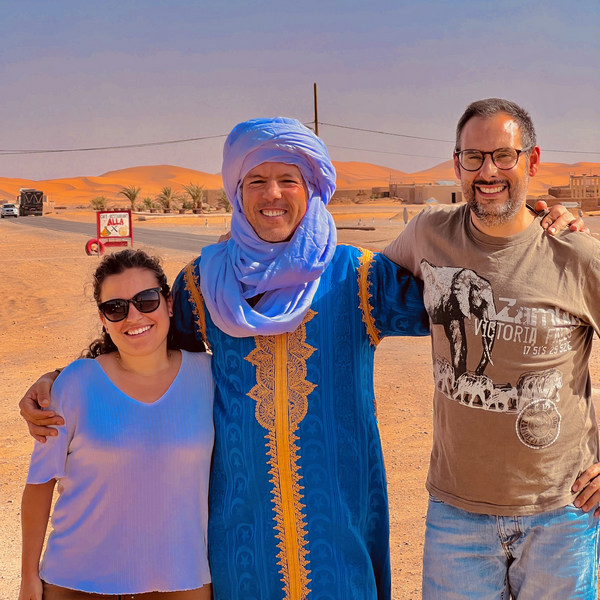
You do not need to completely change your style to visit Morocco. You do not need to cover your hair. You do not need to wear traditional Moroccan clothing.
But Morocco is generally more conservative than much of Europe, North America, and Australia. Travellers who feel most comfortable are usually those who choose clothing that is breathable, practical, and moderately modest. Think linen trousers instead of denim. A flowy dress rather than something very short or tight. Comfortable trainers rather than the shoes that look incredible but hurt after twenty minutes.
Morocco rewards comfort. More than fashion. And definitely more than overthinking.
The Biggest Surprise About Dressing in Morocco
One thing I’ve noticed and hear constantly from other travellers is that most people stop worrying about their clothes within the first 24 hours of arriving.
Not because the question wasn’t valid but because Morocco quickly gives you other things to think about.
The scent of fresh bread drifting through the medina. The colours of the spice markets. The first glimpse of the Atlas Mountains. The sound of the call to prayer echoing across a city at sunset.
Suddenly, the outfit you spent weeks worrying about feels far less important. Most locals aren’t paying nearly as much attention to what tourists are wearing as the internet would have you believe. People are busy. Going to work. Meeting friends. Looking after family. You’re not being analysed every time you step outside.
First, Understand That Morocco Is Not One Thing
One of the biggest mistakes travellers make is treating Morocco as a single, uniform experience. It isn’t.
The atmosphere in cosmopolitan Marrakech is completely different from that of a small Berber village in the Atlas Mountains. The vibe in surf-town Essaouira feels worlds apart from the ancient streets of Fes. The Sahara has its own rhythm entirely.
This is why there is no universal dress code. Instead, think about dressing appropriately for where you’re going rather than trying to follow one rigid set of rules.
What Women Should Wear in Morocco
This is the question that generates the most anxiety. And honestly, it’s far simpler than most people think.
The women I’ve met who seem happiest and most comfortable in Morocco aren’t necessarily the most conservatively dressed. They’re the ones who aren’t constantly thinking about their clothes. A loose maxi dress. Linen trousers. A lightweight blouse. A comfortable jumpsuit. Clothes that let you focus on the experience rather than adjusting straps, tugging hemlines, or worrying about unwanted attention.
Can women wear shorts? Yes, especially in tourist destinations like Marrakech, Essaouira, Agadir, and luxury resorts.
Will you see local women wearing shorts? Not often. That’s usually the more useful question to ask. You don’t need to dress like a local. But understanding local norms helps you decide what level of comfort feels right for you.
Do Women Need to Cover Their Hair?
No. Let’s be clear about this. Tourists are not expected to cover their hair in Morocco. You’ll see Moroccan women wearing hijabs. You’ll also see Moroccan women without them. A scarf can be useful for sun protection, desert winds, or visiting religious sites, but it is not a requirement.
What Men Should Wear in Morocco
Men generally have fewer concerns when it comes to clothing in Morocco. T-shirts, polo shirts, linen shirts, and lightweight trousers all work well. Shorts are common in coastal destinations and tourist areas.
That said, very short shorts or beachwear away from the beach can feel out of place in more conservative areas. Lightweight trousers, breathable shirts, and layers are the practical choice and after years of watching what actually works on the ground, practicality almost always wins over style.
What I Packed vs What I Actually Wore
This might be the most genuinely useful section in this entire guide.
I packed outfits. I wore comfortable things.
I packed the shoes that looked good. I wore the pair that didn’t destroy my feet after three hours in a medina.
I packed multiple carefully planned looks for Marrakech. I ended up living in loose trousers, breathable tops, and comfortable dresses.
Morocco is a country where you’ll walk more than you expect. Climb more stairs than you expect. Spend more time outdoors than you expect. Pack for the reality of your trip, not the photographs you imagine taking. You will thank yourself by day three.
What to Wear in Marrakech
Marrakech is one of Morocco’s most international cities where you’ll witness everything from designer fashion to backpacking gear. The biggest challenge isn’t cultural expectation. It’s the heat.
Lightweight fabrics are essential. Breathable clothing is your best friend. And comfortable footwear is completely non-negotiable. Those beautiful leather sandals might look wonderful. Your trainers will probably save the day.
What to Wear in the Sahara Desert
This is where people consistently get caught out.
Everyone packs for the daytime. Almost nobody packs properly for the evening.
One thing that catches most travellers off guard is how many people arrive expecting the Sahara to feel like a giant outdoor oven around the clock and then sunset arrives, the temperature drops sharply, and suddenly everyone is searching desperately for an extra layer.
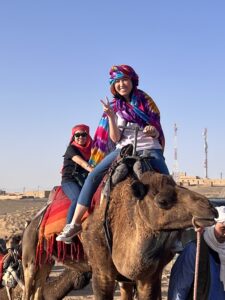
The desert teaches you quickly that heat and cold can exist on the very same day. Pack for both. Lightweight clothing for daytime. Layers for the evening. A scarf, sunglasses, and strong sun protection are also non-negotiable.
What to Wear in the Atlas Mountains
Mountain weather has a habit of ignoring forecasts. A warm morning can become a cool, windy afternoon surprisingly quickly.
Layers are essential. Comfortable walking shoes are essential and if your itinerary includes villages or hiking routes, practicality matters far more than fashion. The Atlas Mountains don’t care how stylish your outfit is. They care whether your shoes can handle uneven paths.
What to Wear in Essaouira and Coastal Morocco
One of the things that catches people off guard in Essaouira is how often they arrive expecting beach weather and end up wishing they’d packed a jacket.
The Atlantic breeze changes everything. Even during summer, evenings can feel surprisingly cool. Shorts, dresses, and casual clothing are all common but a light layer for sunset is almost always a good idea. Many visitors wish they’d brought one.
The Biggest Clothing Mistake Tourists Make
Overpacking. Without question.
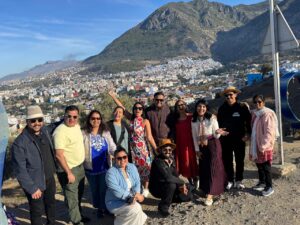
Travellers arrive with an outfit for every possible scenario and then wear the same handful of comfortable items on rotation. Morocco is not a fashion competition. It’s an experience. The less time you spend thinking about what you’re wearing, the more present you’ll actually be.
And that’s usually when the best travel memories happen.
Shoes Matter More Than Anything Else You Pack
If I could give you one single packing tip, this would be it.
Bring comfortable shoes. Not decent shoes. Not acceptable shoes. Comfortable shoes. You’ll walk through medinas, kasbahs, villages, markets, mountain paths, and desert camps. Your feet will determine your mood far more than your wardrobe. Choose wisely and break them in before you travel.
What Not to Wear in Morocco
There aren’t many hard rules, but a few things are worth avoiding such as wearing quite revealing clothing in conservative or rural areas. Beachwear away from beaches and pools. Heavy fabrics during summer must definitely be avoided and anything that prioritises appearance over comfort.
Travel becomes infinitely better when you’re comfortable.
Final Thoughts
After all the time I’ve spent in Morocco, I’ve come to realise that what you wear matters far less than how you travel.
Come with curiosity. Come with respect. Come prepared for different climates, different customs, and different versions of beautiful. And don’t stress too much about your wardrobe.
The travellers who enjoy Morocco most aren’t usually the best dressed. They’re the ones too busy watching the sunset over the Sahara, getting delightfully lost in a medina, or sharing mint tea with locals to think about what they’re wearing.
And honestly? That’s exactly how travel should be.