
An honest guide from someone who has spent real time here
Since spending extended time across Morocco, one question has landed in my inbox more than any other, “Is Morocco safe?”
I’ve been asked this by solo female travellers planning their first trip to North Africa, families considering a winter escape, couples deciding between Morocco and Southern Europe, and parents whose adult children have just announced they’re backpacking through Marrakech and the Sahara.
I understand the concern.
For many travellers, Morocco feels unfamiliar. It sits at the crossroads of Africa, the Arab world, and Europe. It is often misunderstood, occasionally sensationalised, and far too frequently judged by headlines rather than lived experience.
After travelling across the country from the medinas of Marrakech and Fes to remote villages in the Atlas Mountains, coastal towns along the Atlantic and nights under the stars in the Sahara, my answer has always been the same.
Yes. Morocco is generally a very safe country to visit in 2026. But like any destination worth going to, there’s more to the story than a simple yes or no.
The short answer
Morocco is one of the safest and most stable tourist destinations in North Africa. Millions of travellers visit every year and most leave with stories about the food, the people, the desert, the mountains, and the glorious chaos of the souks.
Very few leave talking about serious safety concerns.
The reality is that most tourists are far more likely to encounter an overpriced taxi or an overly persistent shopkeeper than any genuine threat to their safety. Morocco’s biggest challenge for visitors is usually navigating cultural differences & not personal danger.
What Safety in Morocco Has Actually Felt Like
Before my first extended stay, I had many of the same concerns that first time visitors often do. Would I feel safe walking around alone? Would the medinas be overwhelming? Would I constantly need to be on guard?
The reality was far less dramatic than the internet suggested.
Most days in Morocco feel remarkably normal. Families gather in public squares late into the evening. Children play football in narrow alleyways. Neighbours stop to chat outside their homes. Cafés stay busy long after sunset. Life unfolds at its own rhythm and it’s a wonderful rhythm to move through.
I’ve taken trains between cities, travelled through remote mountain regions, wandered through medinas at odd hours, spent nights in desert camps, and taken long road trips through the south.
Have I experienced frustrations? Of course. I’ve been quoted tourist prices. I’ve been approached by unofficial guides. I’ve gotten hopelessly lost in a medina more times than I’d like to admit.
But I have never felt unsafe.
The Difference between Annoying and Unsafe
This is perhaps the most important distinction any traveller can make before visiting Morocco.
A persistent shopkeeper is annoying. Someone trying to charge you double for a taxi is annoying. A teenager insisting he knows a shortcut through the medina and then asking for money is annoying. None of these situations make a destination unsafe.
Many travellers arrive expecting danger and leave realising that what they actually encountered was inconvenience. Understanding this distinction can completely change how you experience your trip. Morocco is not dangerous. It is, in places, persistent. Those are very different things.
Common Situations You’ll Encounter
Unofficial guides
You’re walking through a medina when someone approaches offering directions. Sometimes they genuinely want to help. Sometimes they’re hoping for payment.
The simplest solution is, if you don’t want assistance, a polite and firm “No, thank you” works remarkably well. Keep walking. Don’t engage at length. The interaction usually ends there.
Taxi negotiations
Taxi pricing can occasionally be inconsistent, particularly in heavily touristed areas. Always confirm the meter is running or agree on a fare before you get in. After a few days in Morocco, you’ll quickly develop a sense of what local prices look like and that confidence changes everything.
Getting lost
If you’re visiting Fes, this is almost guaranteed. The medina is one of the largest pedestrian urban areas in the world and at times, feels like it was designed specifically to disorient you.
Download offline maps before you arrive. Take a guided tour on your first day. Later, getting lost becomes part of the joy because some of the best things in Morocco are down unmarked streets you never planned to find.
Is Morocco Safe For Solo Female Travellers?
Yes. Thousands of women travel through Morocco independently every year. Many return multiple times. Many fall in love with the country.
That said, it’s worth setting honest expectations. Female travellers may receive more attention than they’re used to in some Western countries, like coming across comments, attempts at conversation or occasional catcalling. This can be frustrating. It does not translate to danger.
Experiences vary enormously depending on where you are. A woman travelling through Essaouira will have a very different experience from someone navigating the busiest parts of Marrakech during peak season.
The solo female travellers I’ve met who loved Morocco the most were the ones who arrived informed, confident, and aware of cultural differences rather than fearful of them. Trust your instincts. Walk with purpose. Don’t feel obligated to engage in conversations you don’t want.
Those principles work almost anywhere in the world and they work brilliantly here as well.
Is Morocco Safe at Night?
Generally, yes. Morocco is a country where life often happens later in the day. Families stroll through public squares after dinner. Restaurants fill up from 9 PM. Cafés stay open late into the night. Public spaces remain active long after sunset.
Common sense still applies, so avoid isolated areas, stay aware of your surroundings, and take the same precautions you would in any unfamiliar city. But night time in Morocco is rarely something to fear.
The Safest Places to Visit in Morocco
Some destinations consistently feel more relaxed for first-time visitors:
Essaouira
Laid-back, walkable, and washed in Atlantic breeze. Many travellers find Essaouira the easiest place in Morocco to settle into as the pace is slower, the streets are navigable, and the atmosphere is one of rare, unhurried welcome.
Chefchaouen
The famous blue city sits in the Rif Mountains and offers a slower, calmer experience than many of Morocco’s larger destinations. It’s one of those places that genuinely looks the way it photographs.
Rabat
Organised, clean and remarkably easy to navigate, Morocco’s capital, Rabat is one of the country’s most underrated cities. So, if Marrakech feels like too much on your first day, Rabat is the antidote.
Tangier
Tangier has transformed dramatically over the past decade. It’s now one of Morocco’s most exciting and visitor friendly cities with a fascinating blend of cultures, coastlines, and history.
Marrakech
Despite its reputation for chaos, Marrakech is generally safe. Most challenges here are about navigating crowds, sensory overload, and scams rather than personal safety. Go with your eyes open and you’ll leave completely charmed.
Is the Sahara Desert Safe?
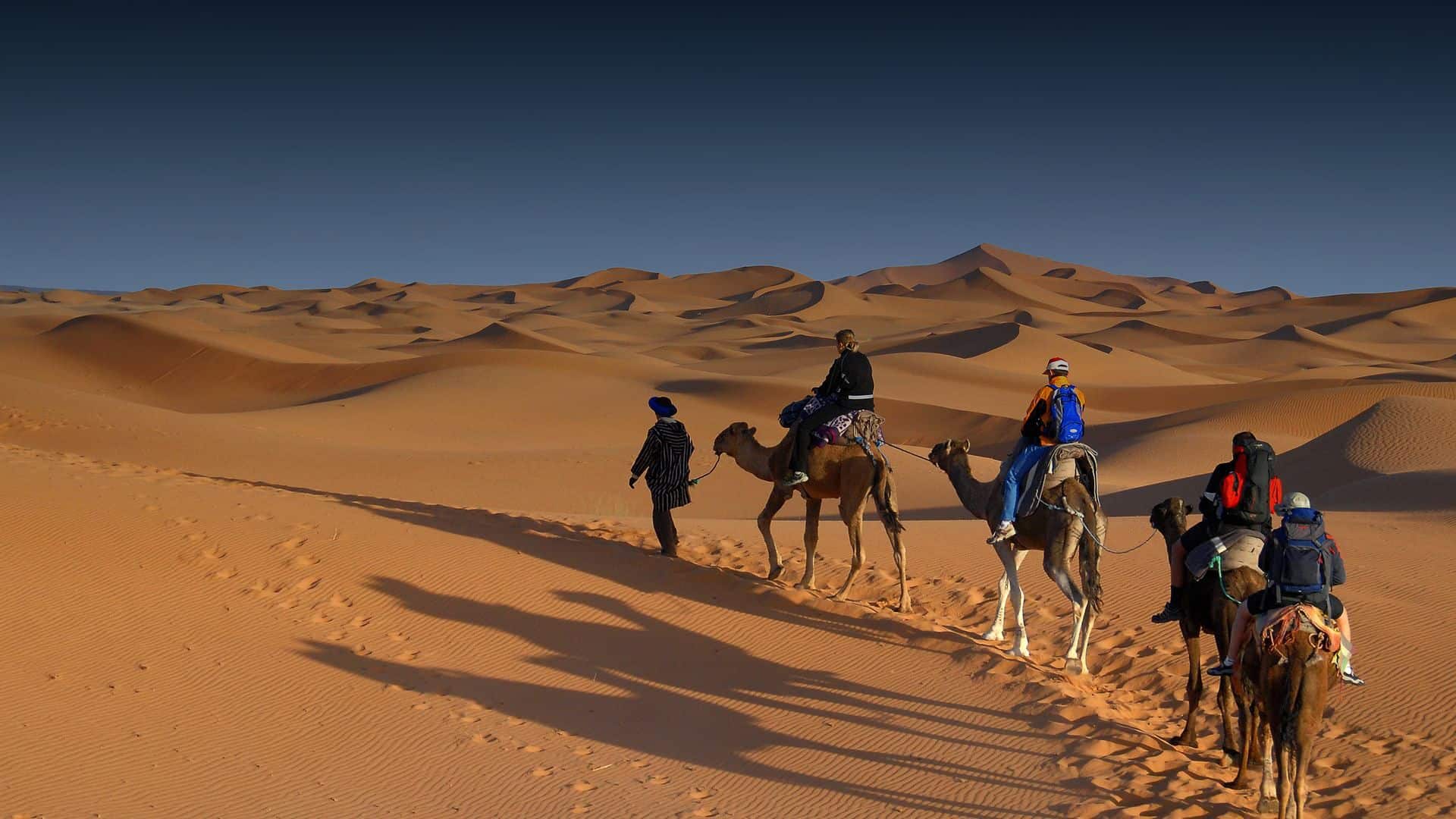
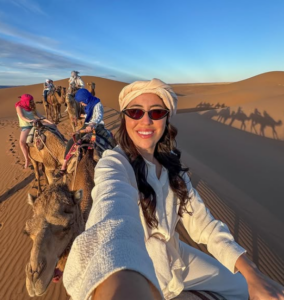
Absolutely. In fact, the Sahara often becomes the most beloved part of an entire Morocco trip. The main risk isn’t crime, it’s booking with an unreliable operator.
Choose reputable, well reviewed tour companies. Avoid deals that seem implausibly cheap. A properly organised desert experience is safe, extraordinary, and the kind of thing you’ll be telling people about for years.
Is Morocco Safe for Families?
Remarkably so. Children are welcomed warmly almost everywhere in Morocco. It’s common to see locals interacting affectionately with young travellers and offering help, sharing a smile, or simply pausing to have a conversation.
For many families, Morocco becomes one of the most rewarding destinations they’ve ever visited. The biggest logistical challenge is usually navigating busy medinas with a buggy, not worrying about safety.
The Biggest Mistake Most Tourists Make
Travelling Morocco has taught me something unexpected: the travellers who struggle the most are often the ones who arrive expecting danger around every corner.
Every interaction feels suspicious. Every conversation feels like a scam. Every local becomes someone to avoid.
While healthy awareness is always sensible, approaching Morocco with excessive suspicion closes you off from the very thing that makes the country extraordinary; its people.
Some of my most treasured memories from Morocco began with conversations that started over a glass of mint tea, a recommendation from a shopkeeper, or a chance encounter on a train.
The goal isn’t to trust everyone. The goal is to learn the difference between being aware and being afraid. In Morocco, that distinction makes all the difference.
Practical Tips Before You Go
A few things that genuinely make a difference:
- Carry smaller denominations of cash as it makes negotiation smoother and avoids the change problem.
- Download offline maps before exploring medinas. You will get lost. Make sure you can find your way back.
- Use reputable, reviewed operators for excursions, especially desert tours.
- Dress respectfully, particularly in rural areas and smaller towns. It goes a long way.
- Avoid displaying expensive jewellery, cameras, or phones unnecessarily.
- Trust your instincts. If something feels off, walk away without overthinking it.
- Learn a few words of Arabic or French like “shukran” (thank you), “labas” (how are you), “bismillah” (before a meal). People light up when you try.
Most importantly, stay curious. Morocco rewards it.
.
So, is Morocco Safe in 2026?
After all the time I’ve spent here, I understand why so many people ask this question before they go.
Morocco is different. Different rhythms. Different customs. Different social norms. Different ways of interacting with strangers. For some travellers, that unfamiliarity initially feels intimidating.
But different does not mean dangerous.
Morocco is a country of late-night conversations, crowded souks, mountain villages, endless desert horizons, and extraordinary hospitality. The people who struggle most are often those expecting it to behave exactly like home.
The people who leave already planning their return are the ones who let Morocco be exactly what it is.
Chaotic. Warm. Frustrating. Generous. Unpredictable. Safe enough to explore and memorable enough that you’ll probably find yourself thinking about it long after you’ve left.